When the Mountains Roar: The Red Deer Rut in Autumn
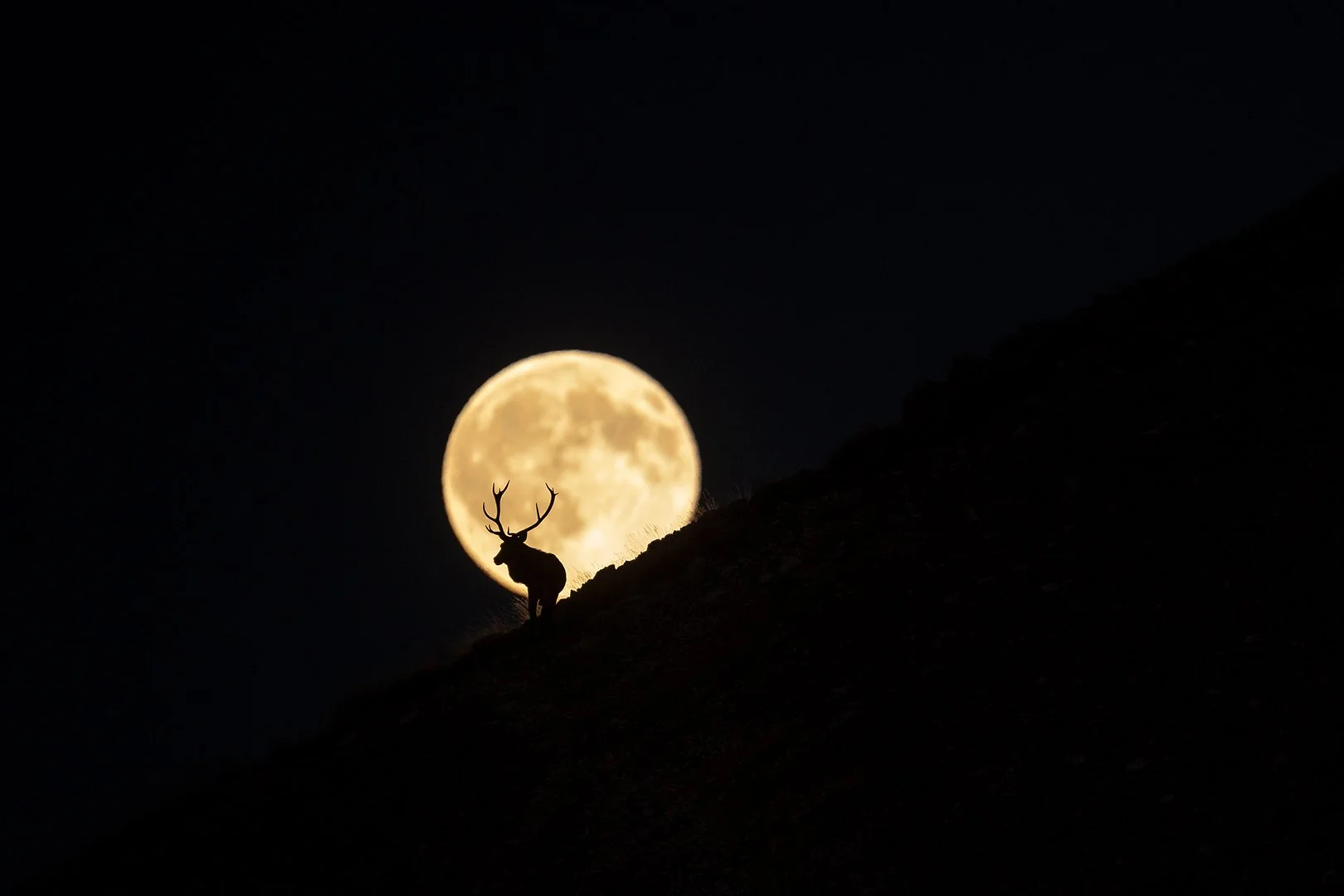
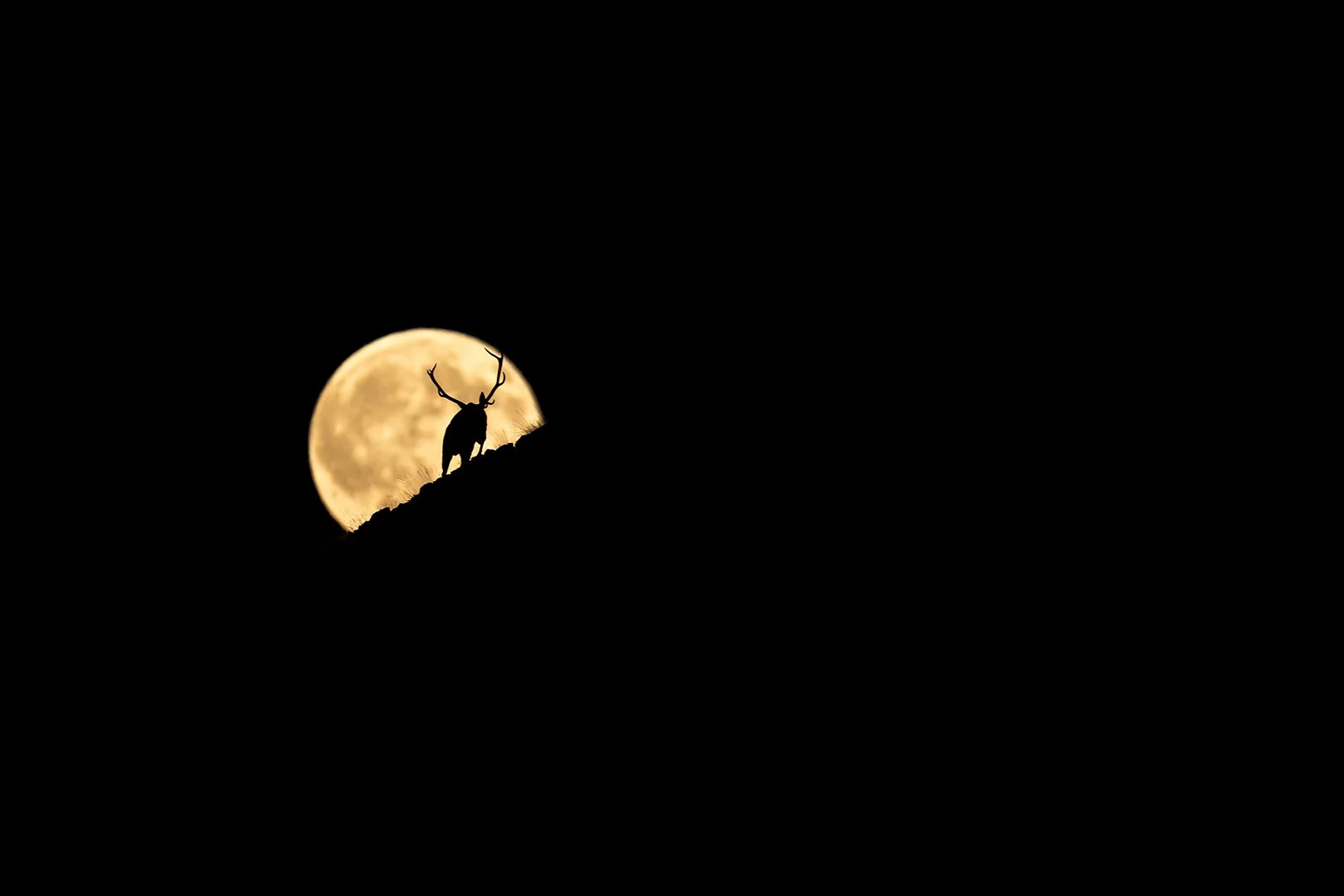
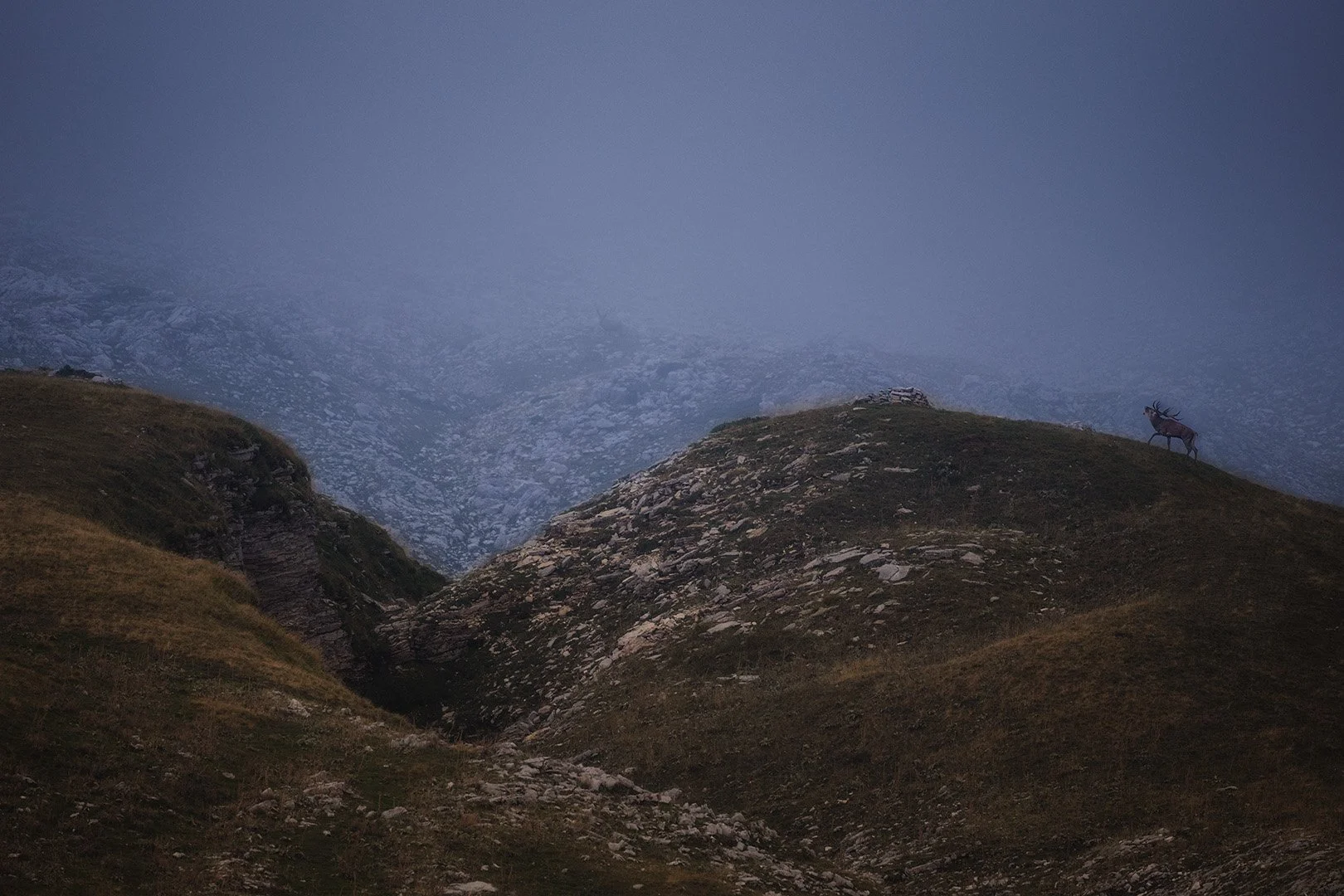
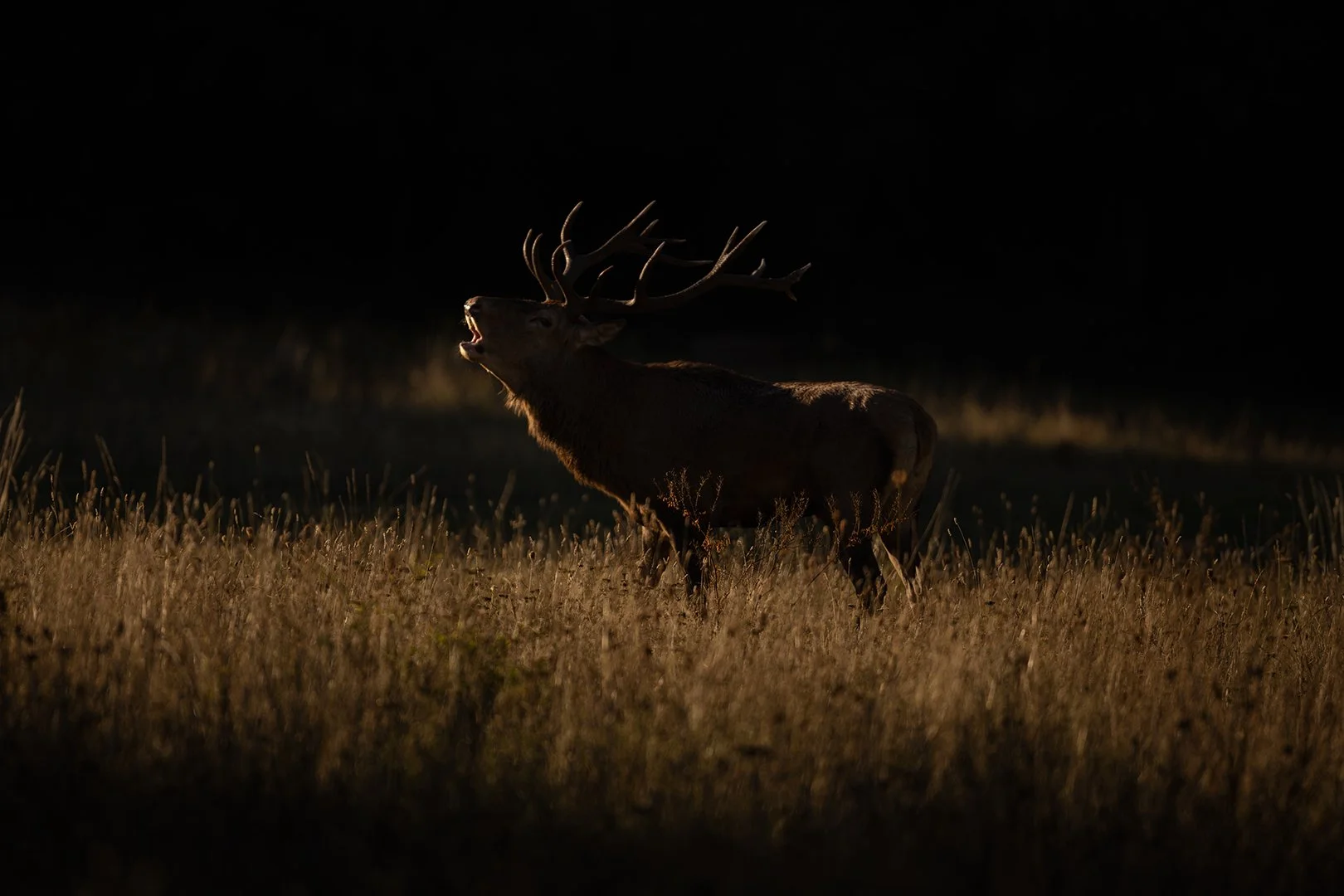
A male deer anfd the full moon. Abruzzo 2026
After the busy days of summer, the first cold mornings arrive. On a morning, the grass becomes silver with frost, the leaves slowly turn from green to gold, and the forests begin to fill with shades of red, orange and brown. Then, from somewhere beyond the trees, comes a deep, powerful sound.
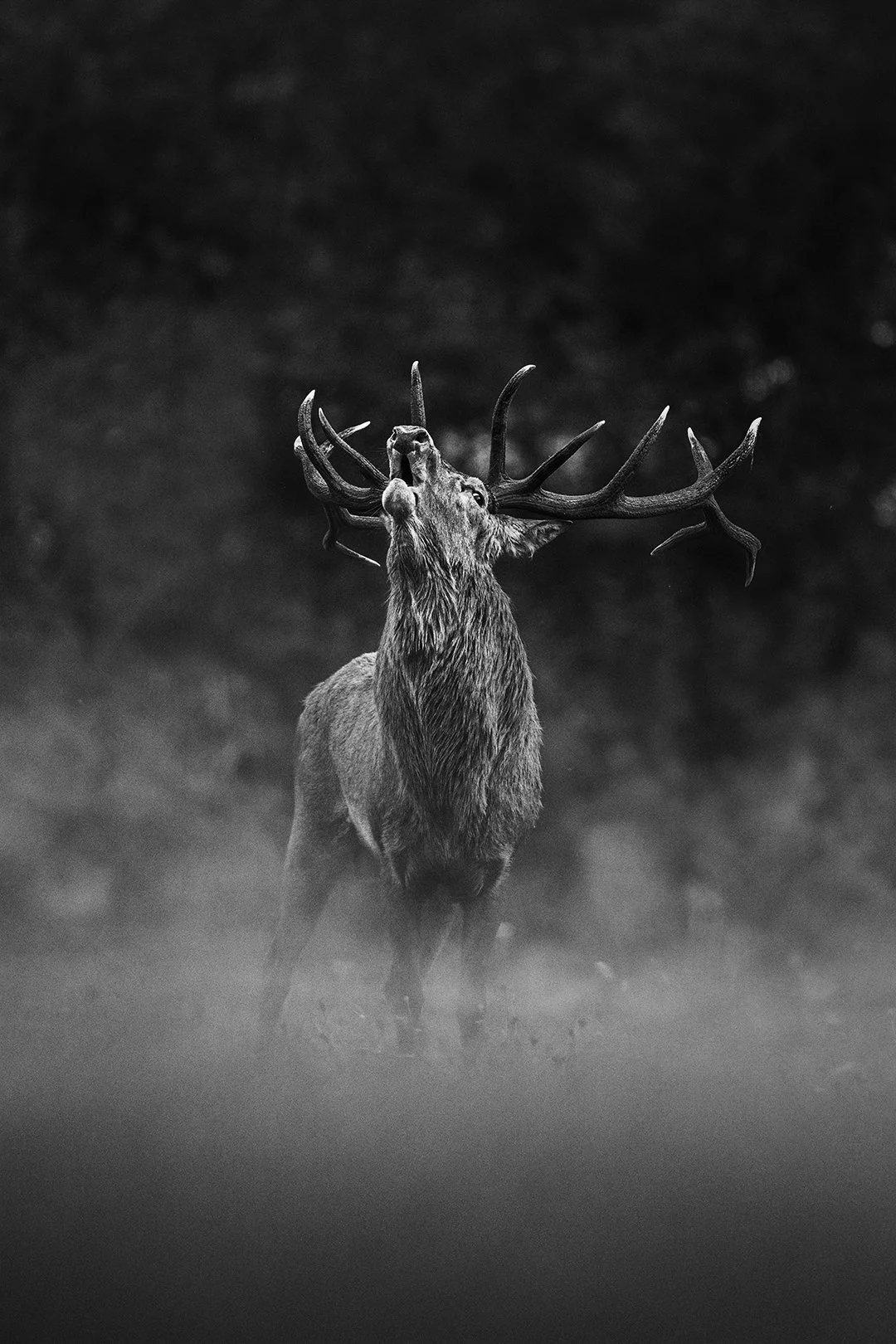
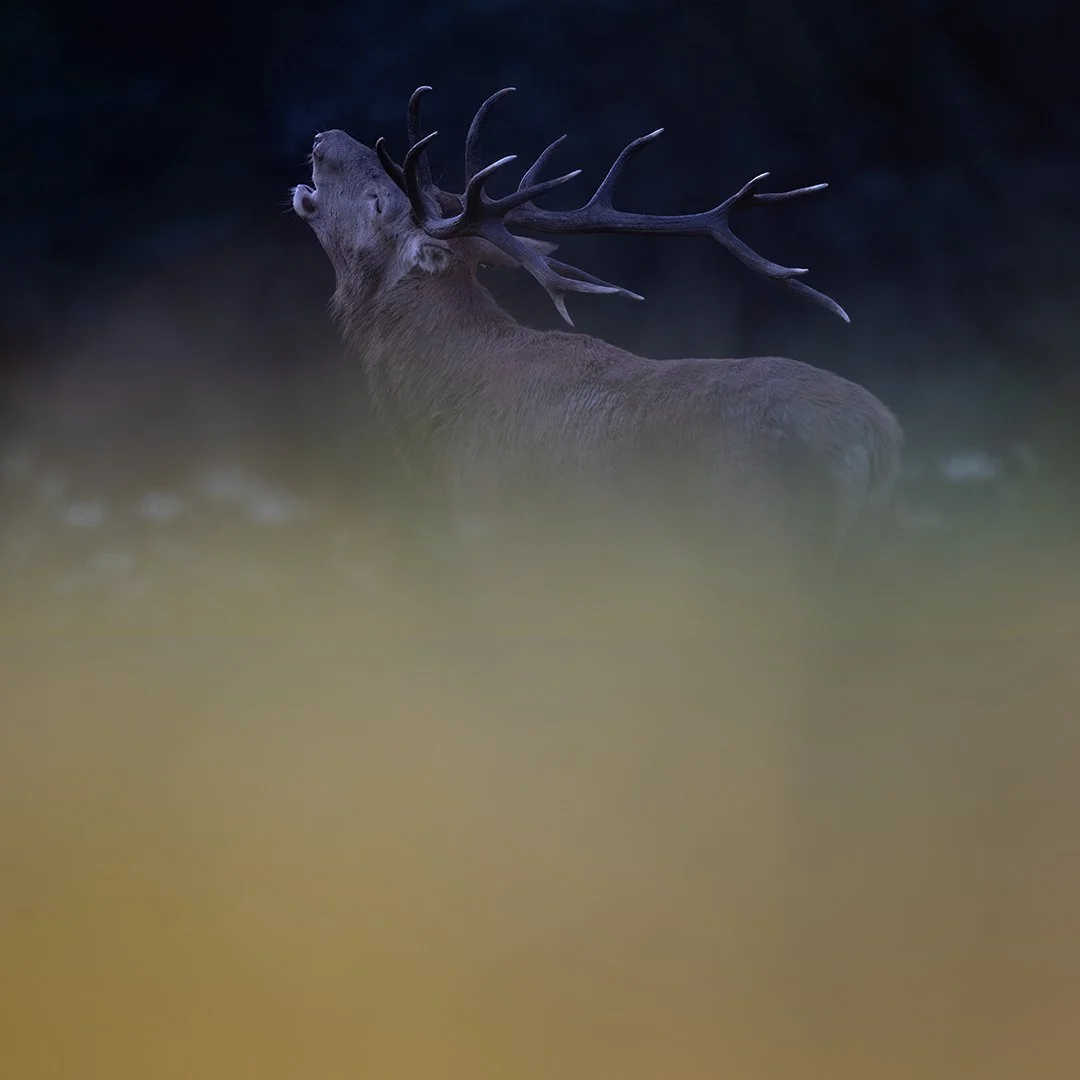
It is the voice of the red deer (Cervus elaphus), announcing that the most intense period of the year has begun: the rut.
For me, few moments in the mountains are as evocative as standing still at dawn in an autumn forest, surrounded by fog and fallen leaves, listening to stags calling from different sides of the mountains of the Apennine mountains. And every year, when autumn returns, I find myself waiting for that sound again.
The season
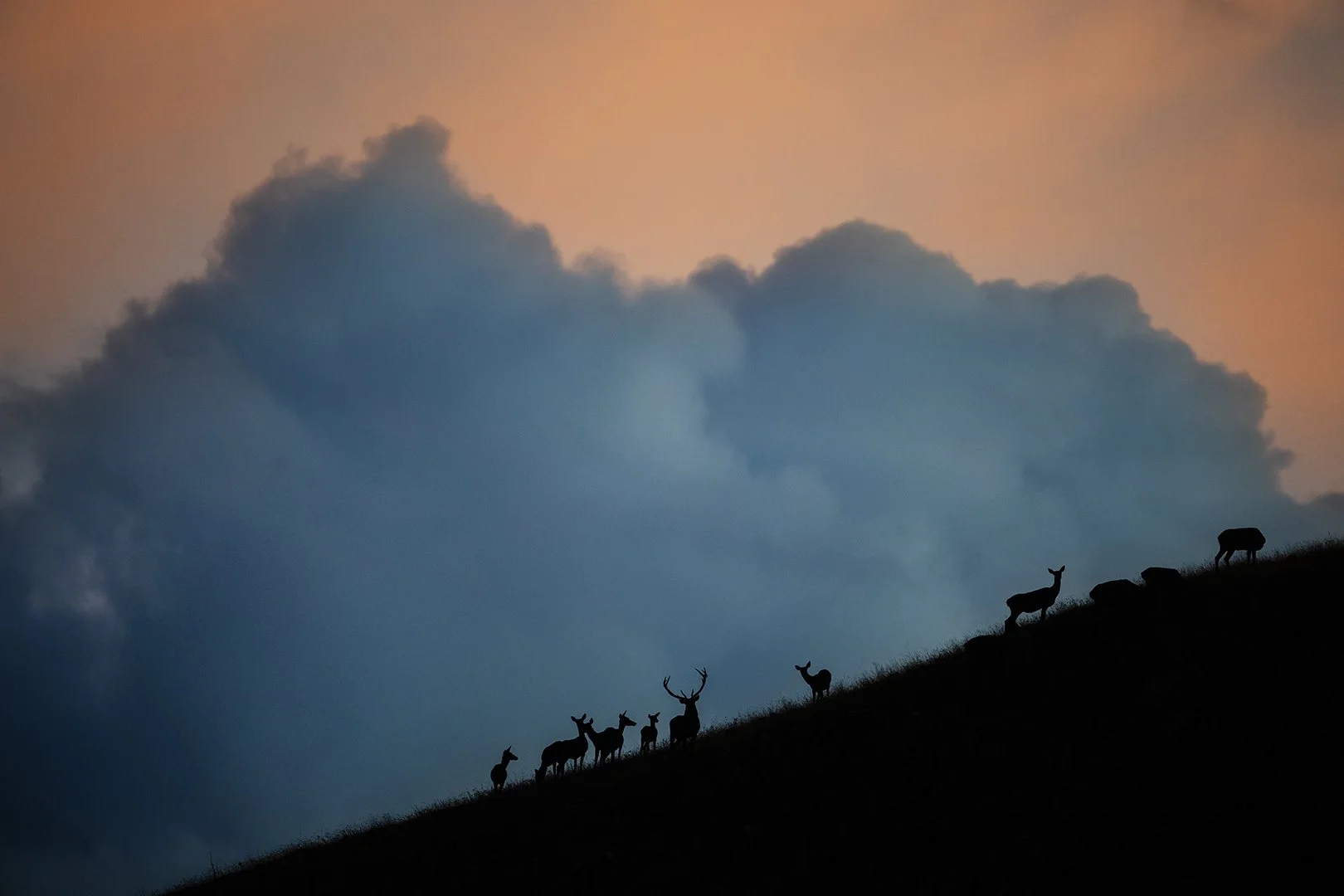
The red deer rut generally takes place between September and October, although its timing can vary with location, weather and environmental conditions. The rut happens just as the mountains enter their most spectacular season. Days become shorter, temperatures drop, and deciduous forests begin their transformation. The same valleys that were green and quiet during summer suddenly become filled with movement, sound and tension.
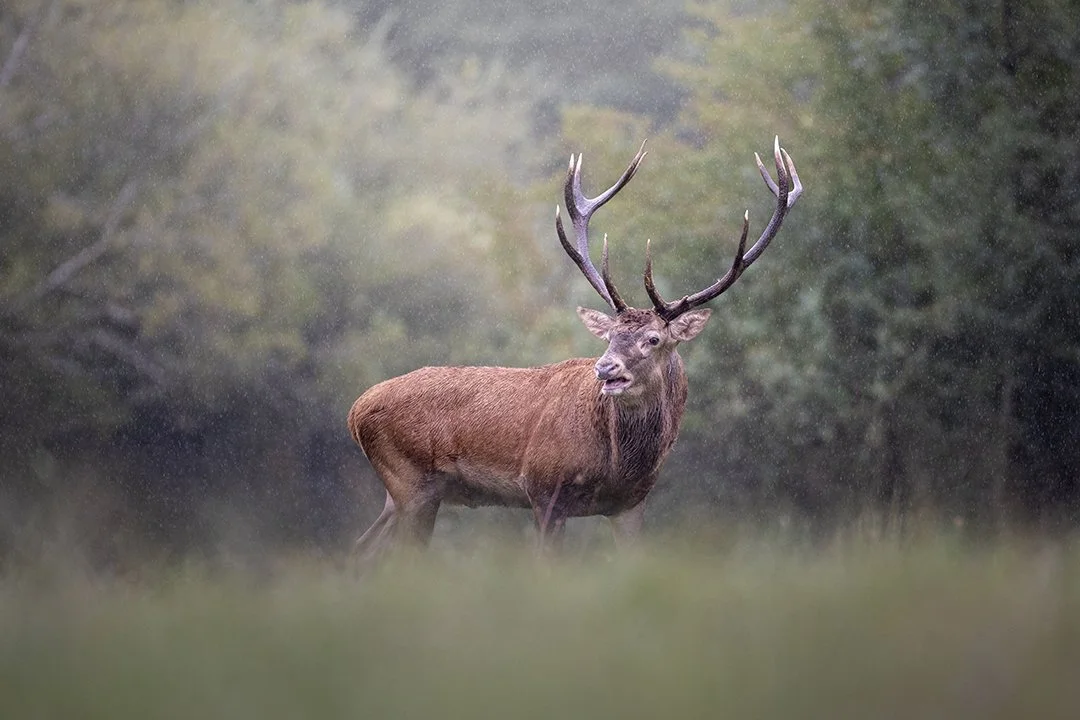
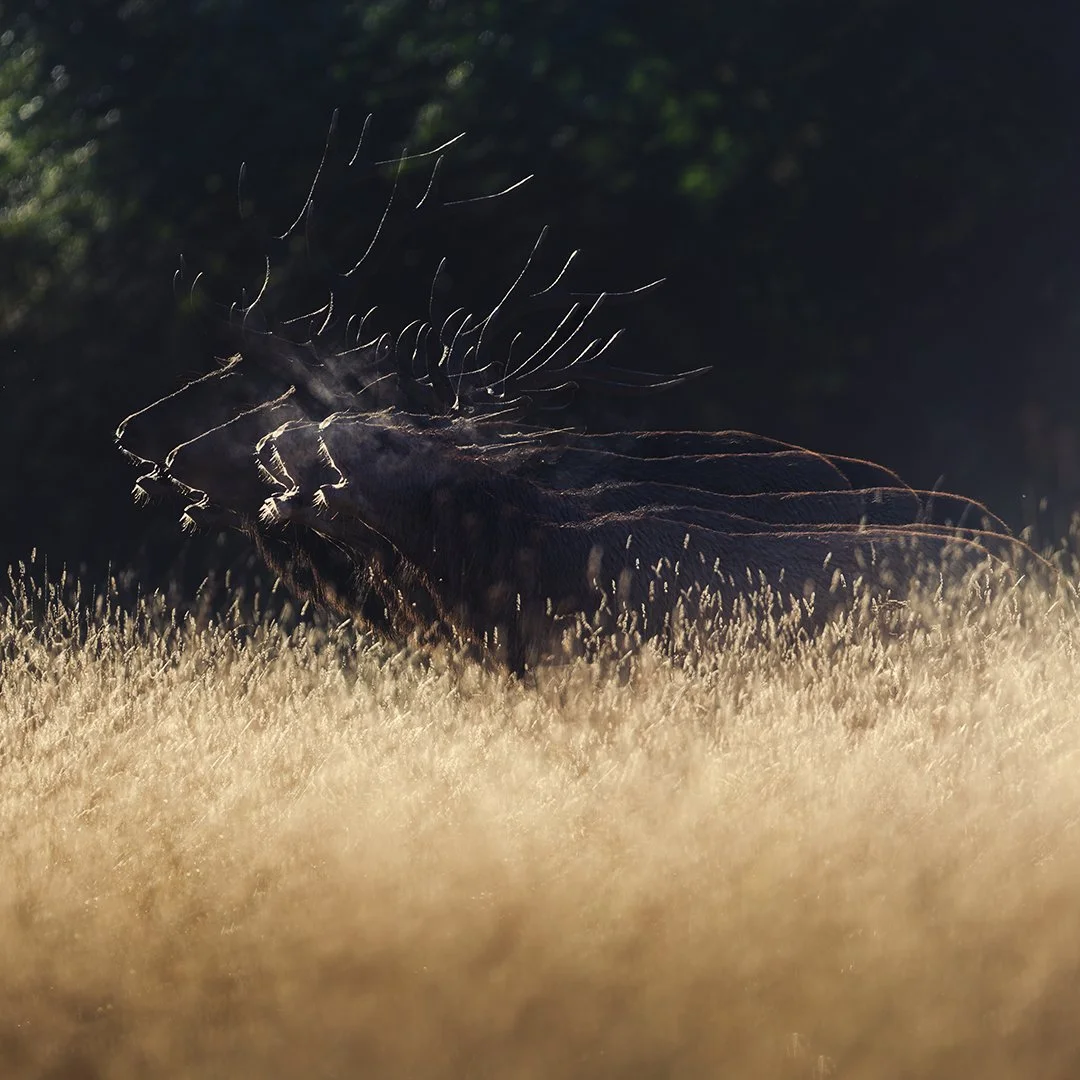
A stag may spend more time in open areas. He begins to mark the ground, rub his antlers against vegetation and become increasingly vocal. Then the roars become more frequent. Eventually, the entire valley can seem to be communicating through them.
For a wildlife photographer, autumn provides an extraordinary natural stage: warm colours, low morning light, mist, frost and dramatic skies can all become part of the story.
What's happening?
The famous roar of the red deer is primarily part of the males' reproductive strategy.
During the rut, mature stags compete for access to females, or hinds. Rather than simply fighting every rival they encounter, males use a combination of vocalisations, displays, scent marking and physical confrontation to establish their dominance.
A powerful roar can communicate the presence and condition of a male before a physical confrontation ever takes place.
Sometimes two stags will remain separated, roaring at one another from opposite sides.
Other times, the distance closes.
When neither male backs down, the two can lock antlers and push, twist and drive against each other until one eventually retreats. These encounters can be physically dangerous and can result in serious injuries.
It is one of the most spectacular examples of sexual selection that can be observed in European wildlife.
And yet, the antlers themselves have a story that began months earlier.
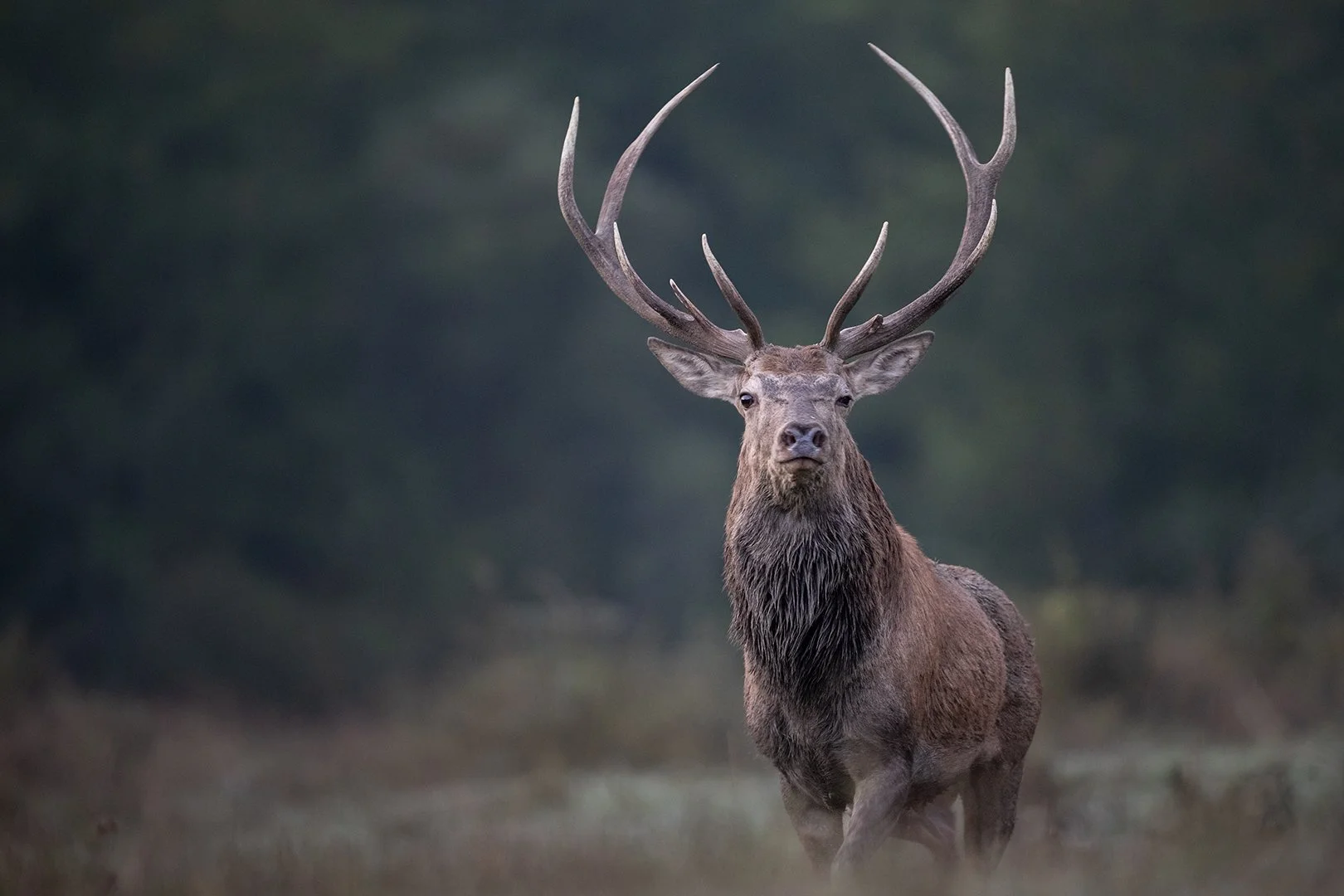
The rut of a red deer in the Apennines mountains, 2026
The antlers
Every year, a stag grows a new set of antlers.
During their growth, antlers are among the fastest-growing structures produced by mammals. They are initially covered by a highly vascularised skin known as velvet, which supplies the growing tissue with nutrients and oxygen.
Once the antlers are fully developed, the velvet dries and is removed, often with the stag rubbing his antlers vigorously against trees and vegetation.
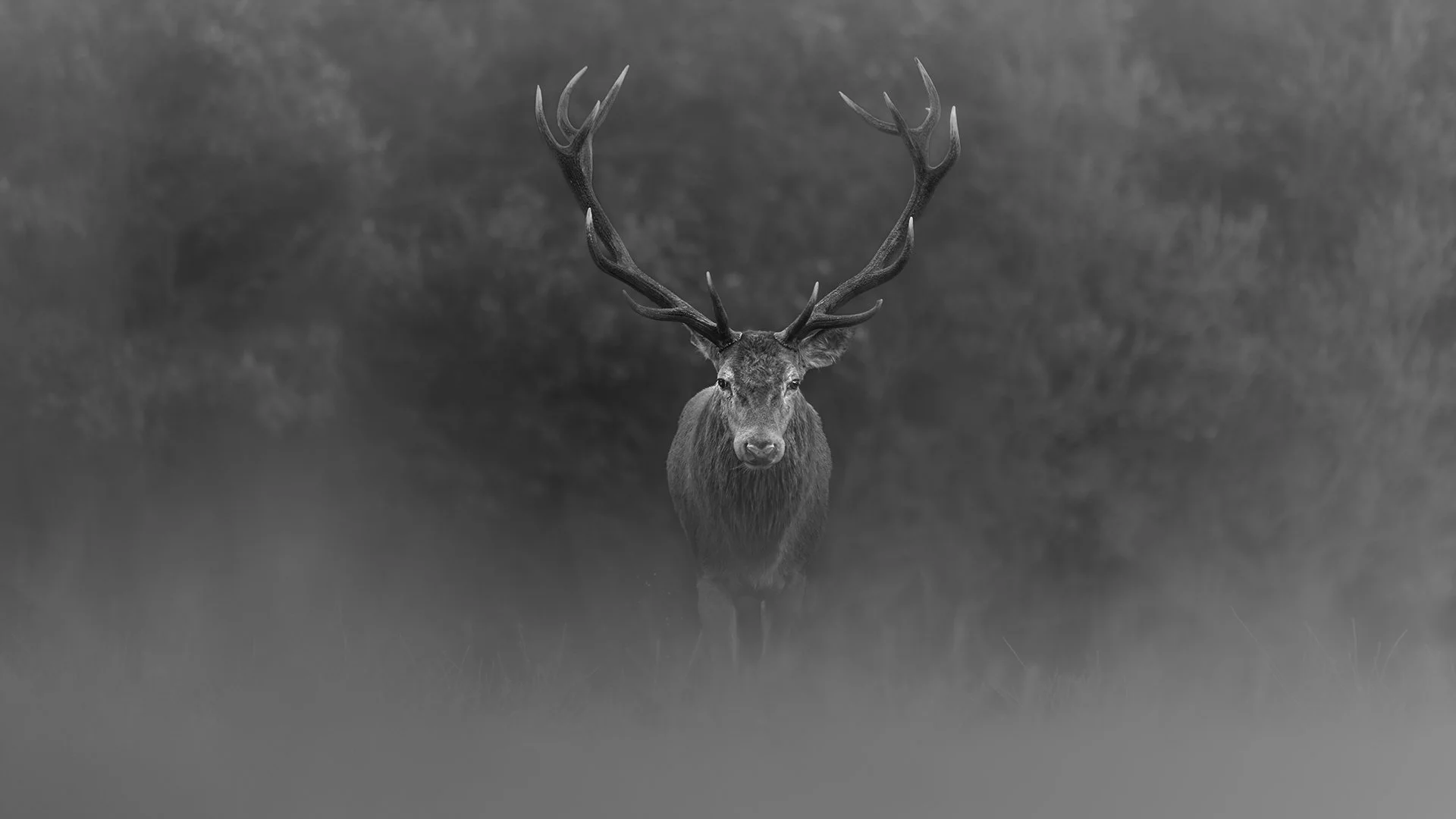
By the time the rut begins, the antlers have become hard structures of bone.
They are not permanent.
After the breeding season, the stag eventually sheds them, and the entire process begins again the following year. Mature males generally develop larger and more complex antlers, although antler size is influenced by several factors, including age, nutrition and condition.
This yearly cycle is one of the reasons I find the red deer so fascinating. The animal we see roaring through an autumn valley is the result of an entire year of biological investment.
The wait
Some of my favourite mornings during the rut, and more in general during my life as a wildlife photographer, have started long before sunrise.
There is something special about walking into the mountains in complete darkness, knowing that somewhere ahead there’s an animal, maybe looking at you.
You cannot always see him.
Sometimes you only hear it.
You may spend hours hidden without seeing anything more than a hind disappearing between the trees. Then, suddenly, a stag emerges from the mist.
For a few seconds, everything comes together: the animal, the light, the atmosphere.
And then it is gone.
Sharing the rut
After years spent photographing nature alone, I started organizing workshops with other photographers.
When you are alone, you can follow your experience. You can sit for hours in the same place, choose the right spot for you, even if it is the most uncomfortable.
With clients, there is another dimension.
Before entering the field, we talk about deer behaviour, social structure, and the importance of the behaviour. Once we are out there, those concepts become real.
Sometimes you get lucky when lying in wait, and sometimes you don't. That is the nature of the wild, and in some cases, it is difficult to convey.
The experience
The same mountains inhabited by deer are home to some of Europe's most elusive species. These encounters can be completely unexpected.
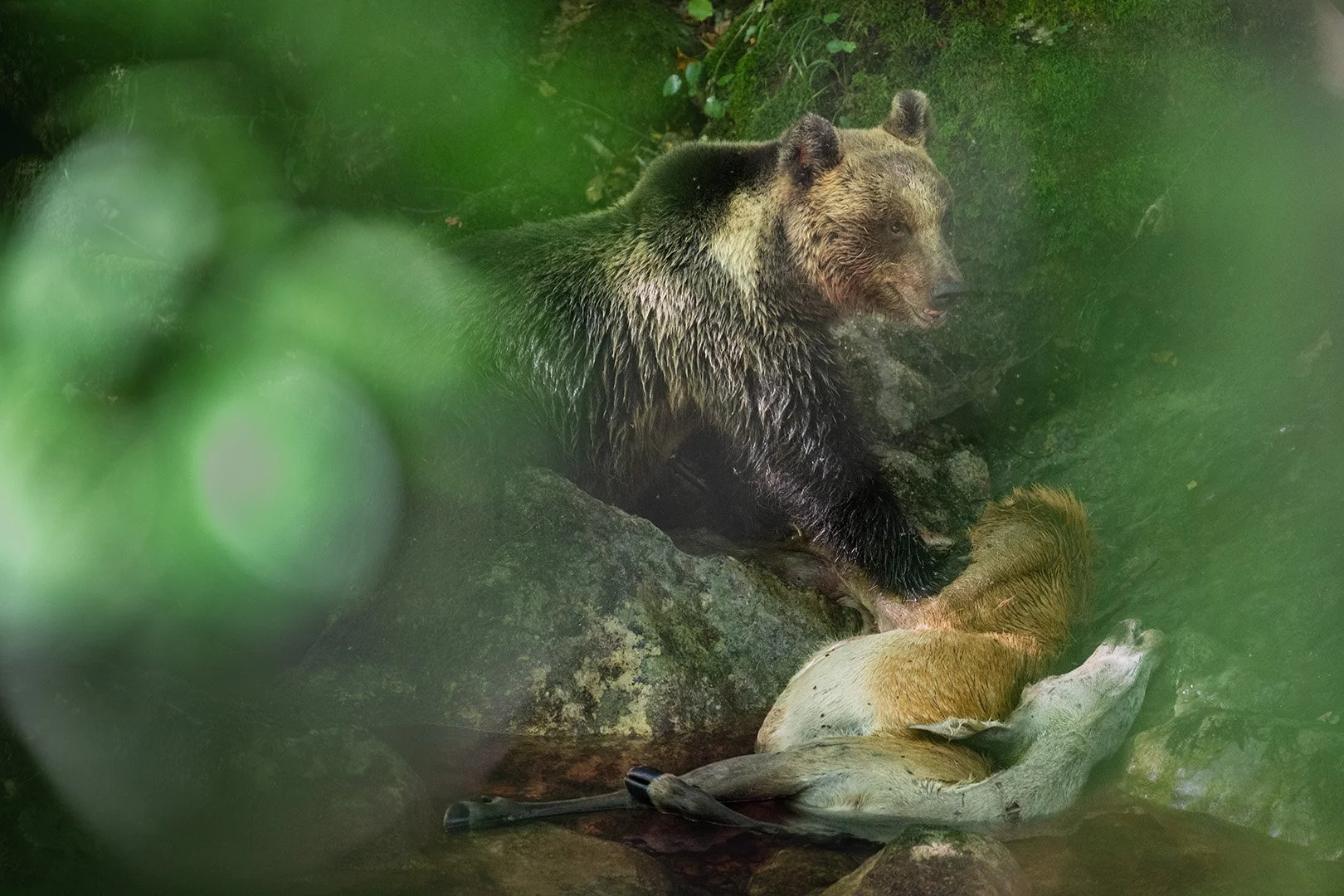
Over the past month, we have had thrilling encounters with wolves and bears on several occasions while out with clients—often when we least expected it.
The possibility of encountering a bear or a wolf is never something that should be expected or pursued at the expense of the animals' behaviour. Wildlife photography is, above all, about learning to read the landscape without forcing an encounter.
But when it happens, maybe after hours of hiking up a mountain, is something worth the effort.
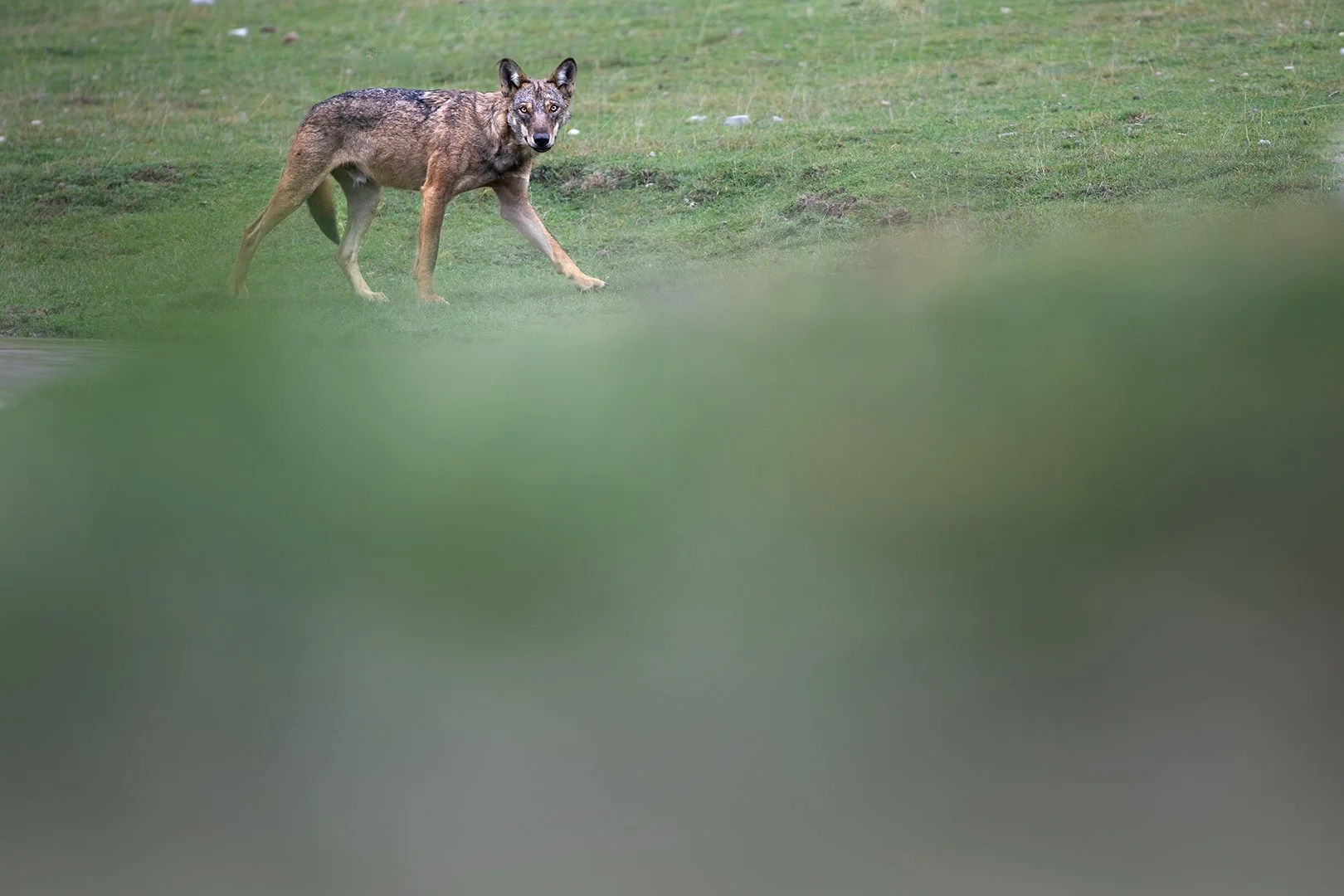
Apennine wolf on a pond, 2026
Keep coming back
After many years spent observing wildlife, I have learned that the most valuable experiences are rarely the ones that can be planned perfectly.
Sometimes the stags remain hidden in the forest. Sometimes one appears only a few metres from where you are waiting. And occasionally, while looking for deer, something completely unexpected happens. A wolf goes to drink at a pool of water, or a bear preys on a doe right before your eyes.
The mountains remind you that you are only watching one small part of a much larger story.
That is what keeps bringing me back every autumn and drive me to share these experiences with others, to evoke emotion and create a connection with wildlife—a way to preserve what we have.